
Climate narrative that travels beyond publication.
Since its inception, Syli has combined financial support with editorial collaboration, convening, research and impact-focused guidance, enabling journalists and media organisations to experiment, engage communities, and collaborate across regions. These are the case studies.
The work, in numbers
Source · Annual Impact Survey · Dec 2025Of members grew their audience engagement with climate stories.
Of members grew their audience reach with climate stories.
Of cXc members received direct feedback that their stories motivated audiences to change something in their lives.
Policy and systemic impacts reported by members across the network.
Different shapes of the same conviction.
Future Lens
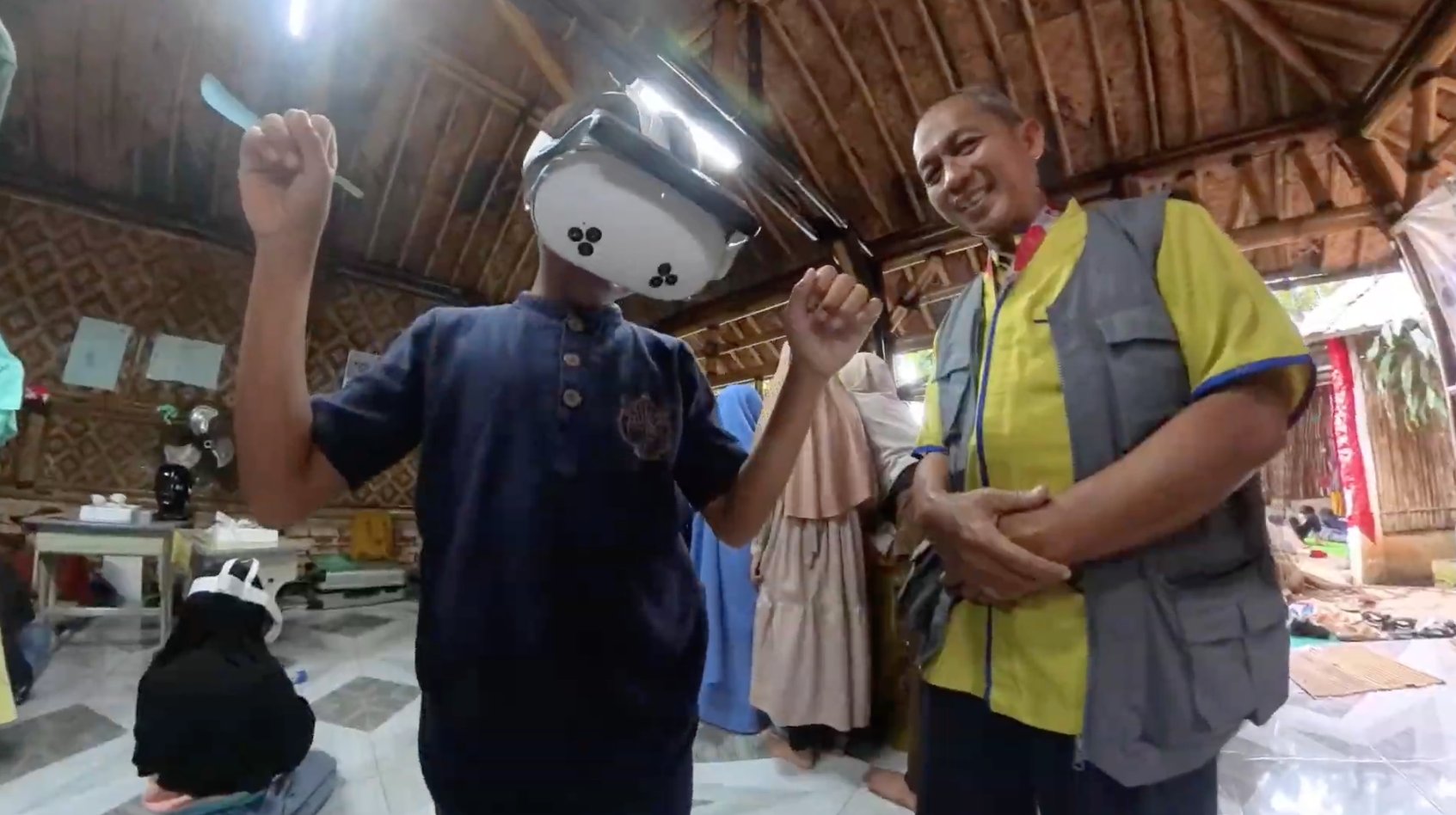 📍 Jakarta Eco Future Fest · 2025
Future Lens is an early-stage initiative exploring immersive climate narrative as a way of addressing gaps in climate literacy and engagement among young people in Indonesia, where 53 million students still learn without an integrated climate pathway.
Context
Rather than relying on traditional classroom materials or news formats, the project uses VR and 360° storytelling to make climate issues around food, water and energy tangible, local and experiential.
The initiative sits outside conventional news organisation models, combining journalism, education design and immersive media to test new ways of engaging audiences who are often poorly served by existing climate coverage.
Syli support
Syli provides MVP innovation funding, strategic product support, and access to specialist expertise for organisations developing new approaches to climate storytelling. Future Lens was one such collaboration.
Support combined financial resources with strategic guidance and access to a shared consultant bench, helping the team clarify its Theory of Change, refine its audience focus, and explore pathways for sustainability alongside editorial experimentation.
What happened
The grant enabled Future Lens to develop and test a series of VR pilot modules focused on rice harvesting, coconut farming, biogas production and water sources. These were tested with students in Jakarta and West Java, including at the Jakarta Eco Future Fest 2025.
Feedback indicated strong engagement and emotional connection, while parallel work explored delivery and revenue models through schools, public institutions and events.
Innovation support that enables experimentation with new forms of climate media, while also addressing the organisational and structural challenges that shape long-term viability.
Final Programme Report
Jun 2024 — Dec 2025
Could this approach work for your organisation? We support news organisations and creators developing new climate media products, audience experiences and innovation pilots.
Discuss innovation opportunities with us→Maai — applied narrative intelligence
Journalists and communicators often make narrative choices based on intuition or convention, with limited access to research that reflects how different framings are actually received by audiences. Maai exists to close that gap, to give the network a working language for what lands.
Context
In parallel with building practical impact expertise inside news organisations, Syli identified a need for stronger evidence to inform how climate narratives are designed.
Most news organisations cannot answer, from inside a single editorial desk, how their framing compares to the wider field, or where their tone, sentiment and representation choices are quietly costing them resonance.
Syli support
Syli commissioned and led Maai, a programme of applied research into climate narratives, analysing tone, framing, sentiment and representation across large bodies of climate-related content.
The work focused on questions of narrative effectiveness, equity and ethics, and was informed by experimental research including collaboration with academic partners.
What happened
Findings were synthesised into evidence-informed narrative principles and shared with journalists and partners.
Building on this, Syli developed a concept for a prototype tool to translate research findings into a practical application that helps journalists consider narrative choices in relation to audience, context and intended outcomes. The prototype is now in early development.
Maai demonstrates how applied research can strengthen impact capability by making narrative insight usable in practice, bridging research and editorial workflows.
Final Programme Report
Section 3.4
Could this approach work for your organisation? We partner with editorial teams, communications organisations, and researchers to strengthen climate narratives through applied intelligence.
Talk to us about narrative intelligence→Story Grants — Lake Region Bulletin
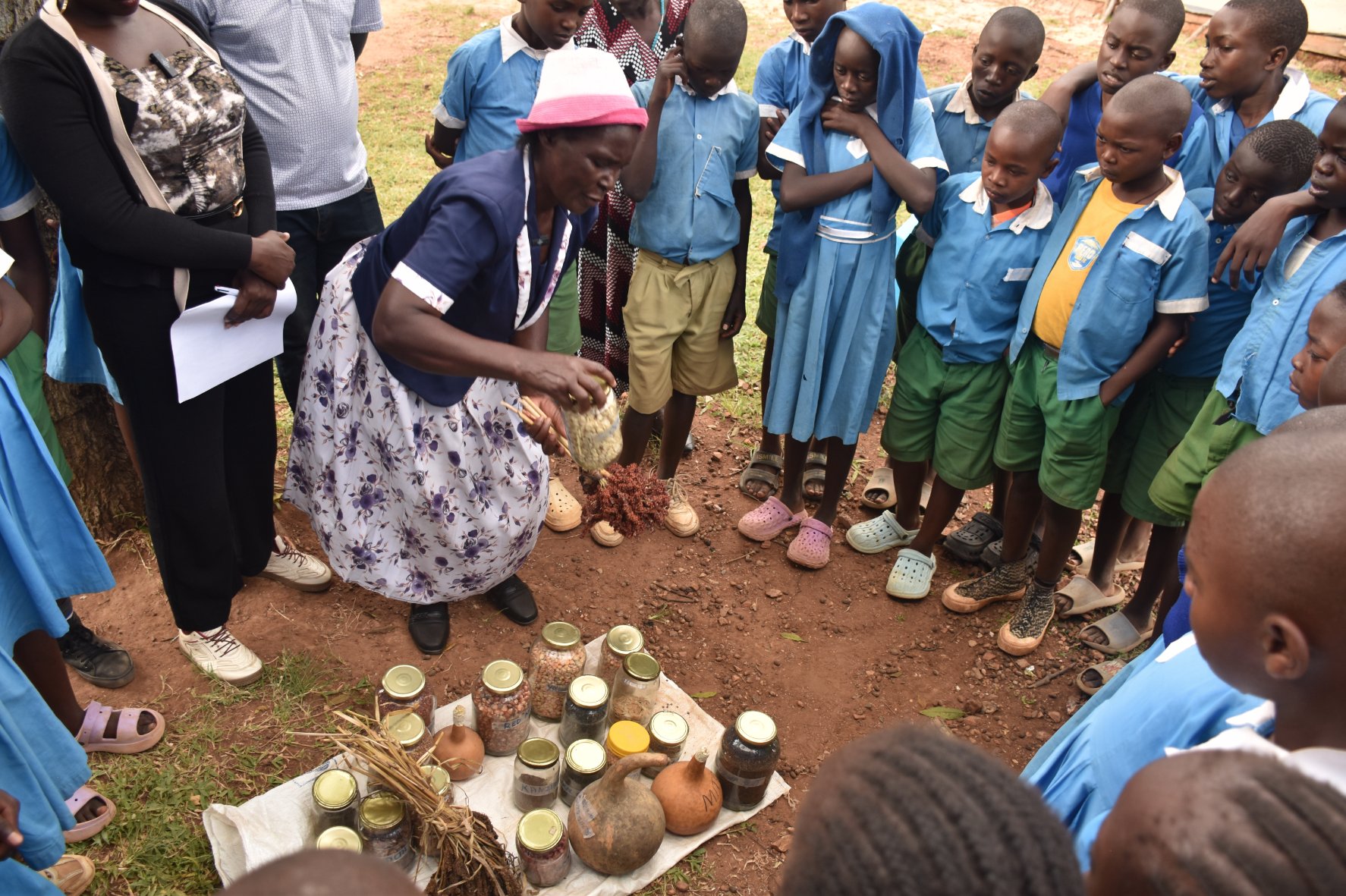 📍 Lake Region · community screening
Eleven story grants were awarded to enable locally grounded climate reporting, with an emphasis on work that could foster connection and relevance within specific communities, journalism designed not only for publication, but to be encountered, discussed and adapted beyond the moment of release.
Context
Lake Region Bulletin received support to produce climate reporting grounded in local culture and community experience.
The reporting explored how climate change is understood and lived through cultural practices, foregrounding local knowledge and intergenerational relationships rather than abstract or technical narratives.
Syli support
Through the story grant, Syli provided financial support for the reporting alongside editorial and impact-focused guidance during the production process.
Syli also worked with the reporters to develop a short video highlighting the reporting, encouraging the news organisation to consider both editorial framing and how the story might be shared back with the community it came from.
What happened
Following publication, the reporting was presented through an in-person community screening, creating a space for dialogue between journalists, community members and local educators. For many participants, this was their first direct interaction with a media organisation.
The engagement catalysed a school-based seed library, now being assessed locally as a model that could be adapted and replicated in other schools in the region.
I have never interacted with the media, and this was my first time. I had not known it is this involving.
Community screening participant
Lake Region, Kenya
Could this approach work for your organisation? We work alongside news organisations wanting to deepen community engagement, creating narratives and social impact that go beyond publication.
Discuss grant opportunities→Editorial Residency
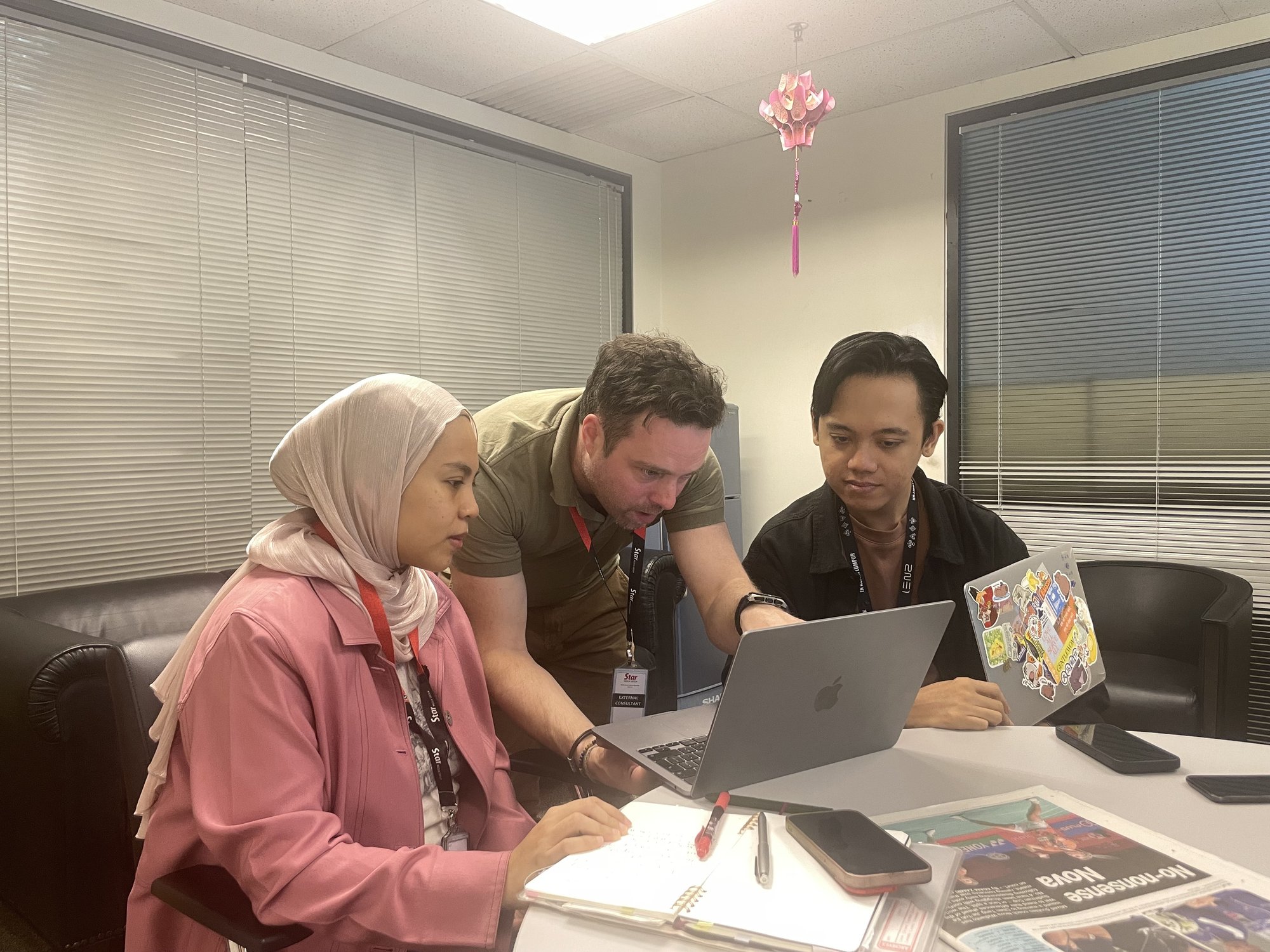 📍 The Star · Kuala Lumpur
As part of its work to support climate journalism that can travel across contexts, Syli facilitated an editorial residency with The Star, one of Malaysia's leading national publications, embedding journalists inside an established news organisation and working collaboratively on editorial practice.
Context
Climate stories often fail not because the reporting is weak, but because the framing has not yet been adapted to the audience that needs to hear them.
A residency-based approach lets reporting move across editorial systems, not as a one-off intervention but as a shared practice, shaped by local audience expectations and reporting norms.
Syli support
Syli coordinated and supported the residency by facilitating editorial collaboration between the visiting journalists and The Star's editorial team.
This included hands-on editorial guidance, structured opportunities for joint planning and review, and support to reflect on how climate stories are framed for national audiences within the Malaysian media landscape.
What happened
Journalists worked alongside The Star's editorial team to develop and refine climate stories informed by local editorial priorities, audience expectations and reporting norms.
The collaboration enabled adaptation of reporting approaches to the Malaysian context and supported mutual learning between teams, strengthening relationships and creating channels for ongoing exchange beyond the immediate residency period.
Climate reporting shaped collaboratively and embedded within existing editorial systems, rather than remaining a one-off intervention.
Final Programme Report
Section 3.1
Could this approach work for your organisation? We partner with news organisations wanting to strengthen climate reporting through embedded editorial collaboration.
Talk to us about an editorial residency→Help us build the next chapter.
Every initiative featured here exists because someone chose to invest in long-term capacity, not just short-term outputs. A residency instead of a report. Research designed to change how news organisations work, not just what they know.
That is how stronger climate media ecosystems are built, through long-term investment in people, infrastructure and experimentation. Whether you're looking to strengthen your news organisation, develop new climate products, change the climate narrative or invest in the wider ecosystem, we'd love to hear from you.